Alexandre Cupler, MD | Talkiatry
Alexandre Cupler, MD

Education and training
- Rush Medical College ( Doctor of Medicine )

Get to know
Alexandre Cupler, MD
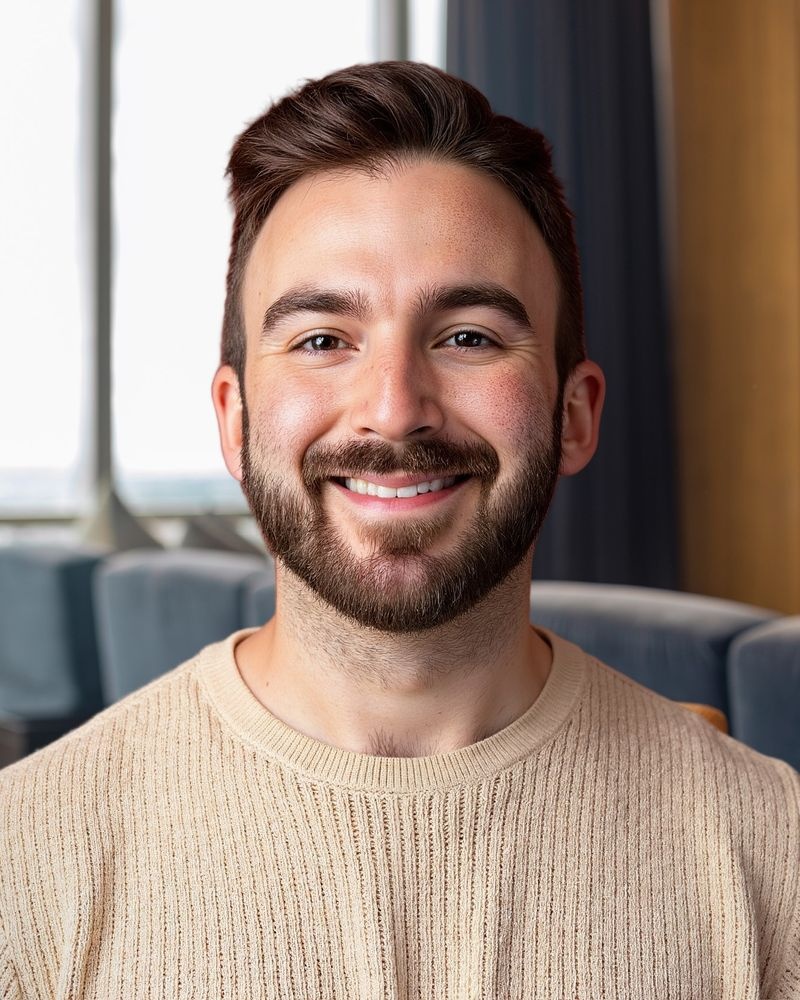
Dr. Alexandre Cupler is a board-certified psychiatrist who began his career in community mental health in 2014, working as a counselor in psychiatric rehabilitation facilities. Since then, he has gained experience across inpatient hospitals, outpatient clinics, and residential treatment settings. Dr. Cupler earned his medical degree from Rush Medical College and completed his psychiatry residency at Chicago Medical School.
Dr. Cupler takes a patient-centered approach to care, making it a priority to ensure that each patient’s concerns are genuinely heard. He strives to create a culturally sensitive, non-judgmental, and safe environment where patients feel comfortable discussing difficult topics and working collaboratively toward their goals.
Initial sessions with Dr. Cupler focus on understanding the patient’s primary concerns, history, and treatment goals. He tailors care to each individual's preferred treatment style and ensures patients are informed about their treatment plan so they know what to expect and can take an active role in their care.
Get matched with a clinician like this one
Ready to book your first appointment? Take our 10-minute assessment. We’ll match you with a clinician who meets your needs, has availability, and takes your insurance.
Get started
Vandana Kethini, MD
Staff Psychiatrist
Dr. Kethini is a board-certified psychiatrist in General psychiatry. She completed her medical degree at St. George's University School of Medicine in Grenada. After completing her residency at Bergen New Bridge Medical Center, she transitioned to an attending psychiatrist at the same place where she completed her residency. During her initial years as an attending, she took care of her own patients and supervised third year residents in the outpatient setting. After a few years, she transitioned to an inpatient setting, where she treated both voluntary and involuntary patients. She also continued to evaluate patients in the emergency room as part of the call group for the last 8 years. Dr. Kethini is passionate about and very experienced in providing a holistic approach along with evidence-based care for patients battling depression, anxiety, bipolar disorder, OCD, ADHD, and PTSD. She integrates supportive psychotherapy along with medication management and lifestyle changes such as nutrition, exercise, sleep hygiene, and stress management. She is focused on having a collaborative approach to treatment and forming a therapeutic alliance with every single patient under her care.

John Whittier, MD
Staff Psychiatrist
Background and credentials
Dr. John Whittier is a board-certified psychiatrist. He earned his Bachelor of Arts in Molecular, Cellular, and Developmental Biology from the University of Colorado at Boulder and went on to obtain a master’s degree in Medical Science from Loyola University Chicago. He completed his medical training at the Robert Larner, M.D. College of Medicine at The University of Vermont and returned to Colorado for his psychiatry residency at the University of Colorado School of Medicine. While in residency, he specialized in the Psychotherapy Scholars Program and has since gained four years of experience treating psychiatric conditions through telehealth.
Treatment approach
Dr. Whittier primarily focuses on medication management for general psychiatric conditions. His approach is individualized, ensuring that each patient receives a treatment plan tailored to their unique needs. He integrates supportive therapy, medications, and evidence-based alternative therapies to provide a flexible and comprehensive approach. In addition to his general practice, he maintains a psychodynamic psychotherapy panel where he helps patients explore developmental and relational patterns that contribute to their symptoms. His specialties include treating depression, anxiety, adjustment disorders, PTSD, insomnia, bipolar disorder, and ADHD.
What you can expect in a first visit
During the first visit, patients can expect a one-hour comprehensive intake during which Dr. Whittier thoroughly evaluates their symptoms, medical history, and personal goals. He provides treatment options that prioritize flexibility, allowing patients to take an active role in their care. Follow-up visits typically last 20 to 30 minutes, focusing on assessing treatment progress and making necessary adjustments. For those engaged in psychodynamic psychotherapy, longer one-hour sessions are available for in-depth exploration of underlying psychological patterns.
Why Talkiatry?
We’re a virtual mental health practice that makes it easy to find great care. We combine quality and convenience to help you thrive—faster. Our providers, like this one, are highly trained experts who specialize in medication management and collaborate with you on a treatment plan that fits your needs and comfort level.

Thomas Spina, MD
Staff Psychiatrist
Dr. Thomas Spina is an adult psychiatrist who began his practice at Talkiatry after completing his psychiatry residency at the Eastern Long Island branch of Stony Brook University, where he treated a diverse patient population. Dr. Spina received his undergraduate degree from St. John's University in Queens where he studied Philosophy. Initially interested in a career in law, Dr. Spina decided to change gears and pursue a career in medicine after watching a relative struggle with her diagnosis of Diabetes Mellitus. Dr. Spina then completed medical school at Tel Aviv University in Israel, where he fell in love with psychiatry during his clerkship at Ichilov medical center. During that rotation, he came to appreciate how each patient has his or her own unique story, regardless of their diagnosis. Dr. Spina favors a holistic and integrative approach to psychiatry, combining medication management with supportive therapy, elements of cognitive behavioral therapy, while remaining open to other treatment modalities depending on the needs of his patients. When more focused therapy is indicated, Dr. Spina may recommend that his patient work with a provider specializing in a particular modality of therapy as part of their treatment. Dr. Spina treats adult patients with mood disorders including major depressive disorder and bipolar disorder, anxiety spectrum disorders, OCD, PTSD and specific phobias. In his spare time, Dr. Spina enjoys a variety of hobbies, including Brazilian Jiu-Jitsu, running, baseball, and exploring new eateries and shops.

Edmund Clark, MD
Chief Psychiatrist
Edmund Clark, MD, serves as Chief Psychiatrist at Talkiatry with over 17 years of board-certified experience, including more than 5 years delivering tele-psychiatric care to underserved areas. His career spans 23 years in public service, including leadership roles as Chief of the VA Mental Health Clinics in Jacksonville, FL, and program manager for the University of Florida’s Psychiatry Residency Training Program. A former U.S. Navy psychiatrist, he deployed multiple times, including to Iraq in support of an Army Combat Stress Control clinic, gaining expertise in evidence-based PTSD treatments. Dr. Clark earned his medical degree from the University of Florida and completed his psychiatry residency at the National Naval Medical Center and Walter Reed, serving as chief resident for over 50 military trainees. Before medicine, he served in the U.S. Peace Corps in Kenya.
Dr. Clark values a collaborative approach built on honesty, rapport, and ensuring patients feel heard. He helps patients identify and address multiple factors influencing their mental health, aiming for positive, lasting changes that improve function across life domains. He encourages evidence-based therapies and, when needed, involves other providers to support comprehensive care.
Dr. Clark uses measurement-based tools to assess medication efficacy and guide treatment decisions. He integrates supportive psychotherapy to strengthen coping skills and reduce negative thinking, while incorporating motivational interviewing techniques to promote recovery and self-improvement.

Timothy Kelly, MD
Staff Psychiatrist
Dr. Tim Kelly is a board-certified psychiatrist who specializes in adult psychiatry. His practice focuses primarily on medication management but often incorporates aspects of supportive, psychodynamic, and cognitive behavioral therapies into his 30-minute follow-up visits. Dr. Kelly also strongly believes in working in conjunction with therapists to achieve the best possible outcomes for his patients. He feels it is important to create strong therapeutic relationships with his patients in order to help patients achieve their treatment goals. Dr. Kelly received his undergraduate degrees in Human Biology and Spanish from Michigan State University. He then completed his medical education and a master's degree in medical humanities and bioethics at Northwestern University. He completed his adult psychiatry residency at the University of Washington. He has authored papers in medical education and LGBTQ advocacy. Dr. Kelly now lives in Pennsylvania with his husband, Kevin, and three dogs: Taquito, Fergie and Mimi. While Dr. Kelly treats adults of all backgrounds, he has a particular interest in working with young adults, students, and LGBTQ individuals.
Serena Mirchandani, PMHNP
Staff Nurse Practitioner
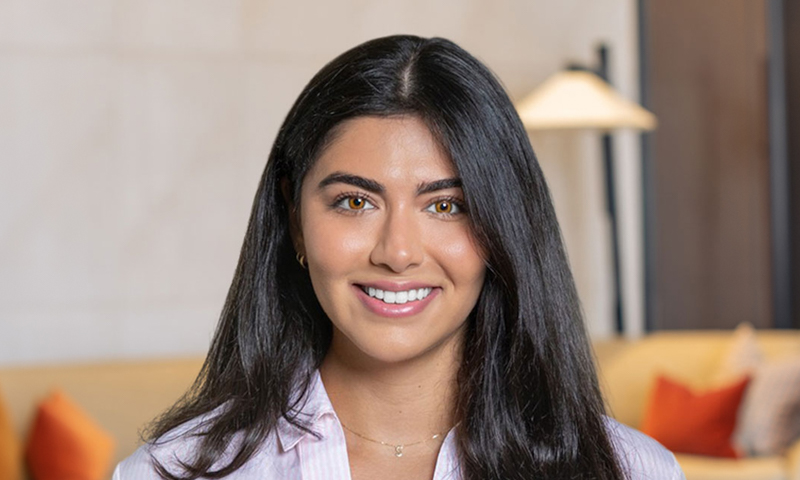
Serena Mirchandani is a board-certified psychiatric nurse practitioner with extensive experience treating serious mental illnesses such as bipolar disorder and schizophrenia spectrum disorders. She also provides care for individuals with depression, anxiety, PTSD, OCD, autism spectrum disorder, and substance use disorders. Serena earned both a Master of Science in Nursing and a Doctorate in Nursing Practice in psychiatry from Columbia University. She completed a Nurse Practitioner Fellowship at Community Healthcare Network and worked at Bellevue Hospital for 2.5 years, providing care on an inpatient psychiatric unit for a diverse, underserved population.
Serena’s approach is grounded in open communication, evidence-based care, and deep respect for each patient’s lived experience. She prioritizes a collaborative, safe space where individuals feel heard, respected, and empowered. Her holistic style supports honest conversation, transparency in treatment options, and patient-centered goals.
Serena begins with a comprehensive assessment to understand each patient's full story—biological, psychological, and social. She then partners with patients to develop personalized, evidence-based treatment plans that align with their values and goals. She emphasizes education, transparency, and regular follow-up to support ongoing progress and informed decision-making.